Covid infections are rising again across the country. There is widespread speculation that we’re facing the predicted second wave of the virus in tandem with flu season. A second covid wave threatens small businesses that have survived so far, especially since there are few signs of relief or assistance.

Don’t expect any federal government action until after the next president and Congressional delegation are sworn into office in January. Tennessee’s state government has initiated several programs to help small businesses but that money was quickly depleted.
So what is a small business owner to do? Take a breath and look past the bottom line.
- If your company is still in business, celebrate that fact. Nashville thrives on the tourist industry which has been clobbered by covid and caused many small businesses to close. Anyone still in business needs to celebrate that fact.
- Be transparent with employees and your independent contractors. We all know it’s tough for everyone. In my career, I’ve been downsized from a factory job and from corporate lawyer jobs. The worst feeling is wondering when the axe will chop off your job as you listen to the management team blow smoke and tap dance around the truth.
- Show your appreciation for your employees and independent contractors by hosting a low cost event. Outdoor events, such as gathering at a pavilion in a local park or on the patio of a restaurant would allow everyone to maintain social distancing. The event itself is less important than being able to show your workers that you care about them.
- Create a list of local social welfare resources and distribute it to your employees and independent contractors. The list should include food banks, mental health counseling services, domestic abuse and suicide hotline numbers, locations of low-cost medical clinics for those without health insurance, and so on. Reminding your workers of the available resources can help them cope with the stresses we all face.
- Take another look at your HR policies and procedures. The policies and procedures may need tweaking to reduce confusion and potential inequities with workforces split between those who must go to a jobsite and those who can work from home.

If your company is struggling with the new “normal”, Corporate Compliance Risk Advisor can help you. We can create or update HR policies that adapt to the new normal and then serve as a resource after the policies are implemented.
Ebook Link
Join the HR Compliance Jungle today. Click here!
Follow us on Facebook & Twitter!
Visit us our website!

 Who could have imagined in January how much would change this year? We’re in our seventh month of the covid pandemic which has killed over 180,000 Americans. Our workplaces are splitting between those who can work from home (generally higher paid) and those who can’t.

 Zoom meetings are an excellent lab for studying humans. Debbie’s co-workers have doubled down on hating her for taking over meetings with rambling updates and for her clothes. Who the heck puts on a professional suit for a video meeting when there’s not a customer in sight?
 only. But Rebecca has also noticed that productivity is up since everyone went home. Even micro-manager Ron’s subordinates have settled into a level of contentment leaving Rebecca free to deal with the Evil Twins.
 Back in the 1980’s Huey Lewis sang about wanting a new drug. Small business owners want a new plan for coping with the pandemic. Instead of slowly re-opening, they are facing a new partial lockdown as covid-19 infection rates increase again.
 Whatever the final decision, it will be hard on everyone. No one likes layoffs or terminations, but the company has to be able to survive so that it can provide a living to those still employed. If the final decision is to reduce the workforce permanently, I’d like to suggest an approach that is not required by any employment law.
  If your company has questions about how to deal with employment issues related to covid-19, Corporate Compliance Risk Advisor can help. Whether it means answering HR questions, revising policies, or being a sounding board for ideas on getting through the pandemic, we’re here as a resource for your team.
 We’re going through economic carnage due to the closures required to slow the COVID-19 infection rate. Unfortunately, many small businesses were financially unable to survive the shutdown. More businesses will close when customers fail to return either because they are too afraid of risking infection or because they have changed how they buy things.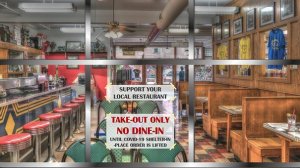
 Whatever the reason, unemployed workers should step up their job searches now because competition will heat up quickly. At the end of July, unemployed workers receiving unemployment are scheduled to lose the federally funded $600 top-up of unemployment benefits. That top-up has allowed some lower income workers to make more money from unemployment than they did in their old low-paying jobs. When the extra money goes away, unemployed workers will need to look for jobs.
 Becky is actually looking forward to getting back to the office now that the Covid-19 lockdown has eased. If she reads one more e-book downloaded from the public library or binge watches one more show on Netflix, her head may explode. Whatever lurks at the office doesn’t seem as dreadful as continuing to stay at home.
 So this morning, Becky awoke to the alarm for the first time in two months. Then she had to dig an old pair of stretchy slacks out of the bag destined for Goodwill donations. Who knew that reading books and binge watching TV could be so detrimental to the waistline? A quick look in the mirror revealed limp hair with dark roots. She briefly cursed the government men who thought gun shops were an essential service, but not hair salons. What kind of idiot believes that, she wondered as she wrapped her hair in a scarf and grabbed a homemade mask on her way out the door?
 A quick check of the bathrooms showed they were well-stocked with toilet paper, soap and hand sanitizers, and paper towels.
  If your company has questions about bringing staff back to the office, Corporate Compliance Risk Advisor can help. Whether it means reassuring employees that it is safe to return or revising policies to allow continued telecommuting, we’re here as a resource for your staff.
 At the moment, the covid-19 crisis rages on. Almost every day there is a new directive telling us to stay at home or extending the length of time to remain at home, but the covid-19 pandemic will eventually recede and a new normal will be established.
 In the 1990’s, Zurich Financial Services (ZFS) decided to buy an insurance company based in the U.K. During the due diligence phase of the acquisition, the IT staff noted that the English and Swiss companies used very different computer technology. In plain terms, the two IT systems couldn’t “talk” to each other. For a variety of reasons, the business leaders plowed ahead anyway, apparently expecting IT to overcome the programming issues by the date of the merger.
 I’ve worked from a home office for years and enjoyed it.
 If your company is struggling with all the changes required by our rather scary new world, Corporate Compliance Risk Advisor can help you adapt your HR policies for telecommuting workers and continuing work during a disaster. We will be a resource for your staff as the policies are implemented.
 A new week has brought fresh hysteria. This morning Reba dashed through the office announcing that Rick had the coronavirus.
 He yelled at Caroline to stop being a baby. Then he demanded to know what the heck had happened. The answer left him apoplectic.
 Covid-19 is a serious public health threat, but hysteria is the enemy of common sense.
 Brittney is finding her first job since leaving college to be scarier than she expected. The company has been in perpetual chaos as the senior management team feuds. Her supervisor, Christy, says the feud started when Weldon got a promotion that should have gone to Randy. Christy calls Weldon a weasel and encourages her subordinates to push back against any requests from his staff.
 As senior managers whiz out the door to be replaced by Tom’s family and friends, no one feels safe. Brittney watches as Christy is effectively demoted despite her sycophantic support for Tom. Christy is still a senior manager but all her decisions must be approved by Tom’s daughter, the new VP.
 Shelly owns a small company that is growing rapidly. She’s hired four new employees in the past year, including Anna and Zach.
 Unfortunately, what worked back then isn’t working now.
 Different skill sets are needed at different times in the development of a company.
 Another update from the Jungle….
 But Matt is lukewarm when Otis calls about returning for another summer.
 There is no bright line test dividing 1099 from W-2 workers; it depends on the total circumstances. Basically, the more control a company has over how and when the work is done, the more likely the worker is a W-2 employee.



 With two retail locations and a constantly expanding line of products, Sondra can’t keep up with the details.
 It’s December and Adele is planning the company’s holiday party again. It’s one of her least favorite duties in the whole year.
 What are some options available to Adele this year?
 Gwen became the temporary manager of Wade’s department when he failed to return from a business conference in New Orleans.
 By the second day of the conference, audible death threats floated in the air near Wade.


 She needed to fortify herself with a double espresso from the coffee shop next door.

 Leeann is a controller.
 As they finally headed out the door, Leeann offered to drive because she needed to run an errand on the way back from lunch.
 Every office has a Leeann.
 Charlotte marched into the office determined to be cheerful. She turned on her computer and then trudged to the break room for a cup of coffee.
 The dupes in the office thought Hannah was sweet and helpful; they would never believe she intentionally screwed a co-worker.
 Later that morning at a staff meeting, Hannah droned on as usual reporting all her activities in excruciating detail. Charlotte day dreamed about non-lethal ways to settle the score with the nincompoop. Homemade fudge laced with laxative might hurt others. Boiling oil would ruin the carpet.
 Every workplace has insecure people who build themselves up by tearing down others. Rather than testing the limits of the workplace violence policy, use emotional intelligence to recognize the root cause of their obnoxious behavior so that you can calibrate your response appropriately.
  Gene is mad as heck and he no longer cares who knows it. He slouches through the office emitting a fog of discontent as toxic as a radiation leak.
 The explosion duly comes at this morning’s staff meeting. Eric announces a new project and asks for suggestions on how to most efficiently complete the project. At first, no one says a word as they try to decide if Eric is actually interested in their suggestions or just following a technique learned in his recent manager training.
  Gene bellows, “You’ve insulted me for the last time. I quit!”
 Helen sat in her boss’ office stoically waiting for him to wind down from his latest temper tantrum.
 She has been trying to fix employee morale. Her first suggestion, a tuition reimbursement plan, caused Henry to erupt like a Yellowstone geyser.
 That’s how it’s gone for six months.


 Last week, Fred found another opportunity for advancement.

 Marsha is so wrapped up in talking about the wonderful qualities of CBD oils that she sometimes forgets important deadlines. Two weeks ago, Wayne had to pour several scotches into the owner of a key client during an expensive dinner to convince him not to fire Wayne’s company.
  He can join Marsha as a latter day hippie and begin acting groovy.

 The policy requires employees to include a statement that Wesley is a brilliant and inspiring boss and the employee is privileged to work for and learn from him.
  post and reserving the right to monitor employees’ social media for violations of the policy.
 Recovering her composure, Janice explains that until the big break arrives, Millie may want to learn a few things about her current job.

 Sarah sat at her desk and pondered how she’d get rid of the body after she kills her youngest team member. The dumpster behind the building is a no-go; the police always dumpster dive for clues like dead bodies. There’s no swamp nearby either where she can hide the body. Sarah sighed.
 Sarah has always offered a lot of freedom to her staff because she believes that gets the creative juices flowing. But there’s a limit. So immediately after the client meeting, Sarah explained the importance of not disagreeing with the person who signs your paycheck, especially in front of clients. Taylor mumbled a sort of apology.
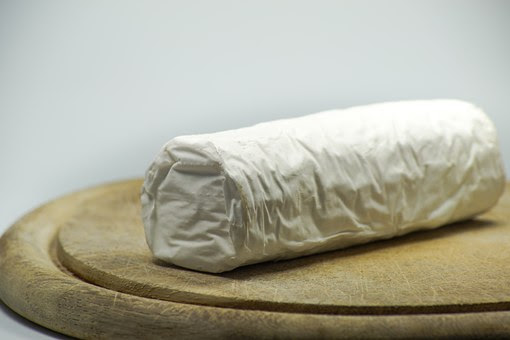
 Craig decided he couldn’t face another office party with the same old cheese log and Ritz crackers and Dirty Santa game. So he told Helen, the HR manager, that he made an executive decision as the company owner to try a different sort of party.
  At the first distillery, AJ disappears. Helen eventually finds him out back of the building sharing a hand-rolled cigarette with a distillery employee. AJ says the employee is his cousin. Helen drags him back to the tour to sample the whiskey. Craig buys four bottles.
 Helen makes an executive decision to cancel the remainder of the tour. She herds everyone back to the bus. Lenny is singing obscene sea shanties. Helen makes a mental note to ask IT to audit his internet activity so she can find out what Lenny’s really been doing at work.
  Once upon a time, an inexperienced HR Manager named Katie suggested to the company owner Phil that they have a Halloween party. Phil remembered past office parties and hesitated to risk the company’s liability insurance premiums on another such event. It’ll boost morale, assured Katie, and so, Phil said yes.
 Katie says she’ll think about it and shoos Misty away. Katie slumps at her desk wondering whether the EEOC considers white witches a protected religious group. While she’s cogitating on religious freedom in the workplace, Wade shows up. He says office parties are stupid and he won’t participate. If the company wants to boost his morale, he’d prefer cash.
 Ray shows up at the party dressed as an Aztec sacrificial victim with a fake heart poking out of his chest, dripping fake blood. Ray doesn’t understand why Moises, a Mexican-American, thinks the costume is culturally insensitive. Katie dashes toward them intent on preventing a fight but rocks to a halt when she catches sight of Alan. Alan had arrived wrapped in a blanket, wearing an Indian war bonnet with psychedelic pink feathers.
 Before Katie can indulge in hysterics, she discovers that AJ, the scary guy from IT, has a fetish for knives and marijuana-laced brownies. Since marijuana is now legal in some states, “What’s the big deal?” says AJ, snatching the tray from Katie before she can dispose of the brownies.
 Patsy leans around the cubicle corner to ask Doris for a little assistance. Doris is on the phone. Rebecca, on her other side, clues Patsy in to a few basic procedures, such as which database takes which customer information. Patsy realizes from prior experiences that she’s just gone through “orientation” and gets to work.
 She can reach across the desk and slap the HR rep for not ensuring she received proper training.
 Cecily is a senior level executive at her company. Of course, she has paid a price while clawing her way to the top; her first husband left their marriage in exchange for a
 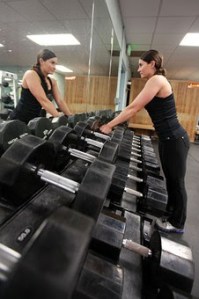 She reasoned that if men could have trophy wives, then she could have a trophy husband. Cecily was overjoyed that Rory accepted her marriage proposal. Of course, marriage to a much younger man comes with a price too. Cecily spends every spare minute at the gym trying to keep her girlish figure so that she remains physically attractive to Rory.
 Cecily came out of her office to confirm she would be able to have a romantic dinner with Rory that evening. She saw Danielle oozing around Rory, white teeth flashing in a seductive smile. With a jealous shriek, Cecily leaped for Danielle’s throat. The women crashed against the wall and rolled into the elevator lobby, a writhing mass of biting, kicking and hair pulling.
 What are Walter’s options?
  Gwen, the HR manager, arrives at work in a really bad mood. She’s running twenty minutes late after sitting in traffic on the giant parking lot otherwise laughingly referred to as an interstate highway.
 Gwen mellows slightly after she has a cup of coffee. Back at her desk, she cranks up her laptop and begins reading her emails. The first one is from Laurie, whining again about needing a window view as an accommodation for her unspecified medical condition. Gwen sighs. The company works from a converted warehouse. No one has a window view, not even Tim. Gwen marks Laurie’s email for later in the day and opens the next email.
 It involves the Case of the Traveling Trash Can. For weeks, every female employee has been fixated on the mystery of the moving bathroom trash can. The consensus is that the trashcan should be set close to the toilet. But someone is moving the can closer to the sink.
 She can nail the trashcan to the floor with a 10-penny nail so that it never moves again.
 Frank was brought out of retirement to fix the most troubled division of the company. He told Ella and his subordinates that he had six months to improve the bottom line. His grim expression inspired fear and loathing among his subordinates. Sure enough, within a week, Ella was processing termination paperwork so fast her laptop crashed from overuse.
 Then Frank went gunning for Anna for incompetence even though her last performance review said she practically walked on water. He accused April of winking sarcastically during a staff meeting. When Ella pointed out the lack of documentation or witnesses to back up these reasons, Frank replied that HR managers can be fired for insubordination just like any other employee.
 That’s when Ella conceived her fiendishly clever plan. She began meeting surreptitiously with selected employees in Frank’s division to confirm their suspicions that Frank was out to get them. She promised to help them by editing their resumes and coaching them on their interviewing skills. (She keeps up with the latest HR industry trends by attending lots of SHRM seminars.)

 Of course, there is a downside to being the only millennial in the office. The first time she mentioned Instagram, an absolutely ancient co-worker, Clay, reminisced about his Kodak Instamatic camera. They stared blankly at each other across a technical gap much wider than the difference in their ages.
 Arlene, in the next-door cubicle, confided that she is addicted to Facebook. Robyn bottled up her giggles, almost bursting an eardrum, because her mother taught her to be polite to her elders. Robyn rarely checks Facebook anymore; it’s so yesterday.
 Robyn has technical challenges too. She is embarrassed by the company’s outdated website and is desperate to upgrade it before her friends notice. She’s also volunteered to do daily social media posts after realizing the company does zero internet-based marketing. The HR manager knows that Robyn is getting frustrated and is desperate to keep her with the company.
 SAS recruits were trained as paratroopers. They did most of their training on the ground due to a lack of aircraft for training missions. How do you train a paratrooper without jumping out of an airplane? Paddy Mayne is credited with the solution: recruits jumped out of a jeep or truck moving at 30 mph while wearing full-kit (120 pounds).
 Kate doesn’t want the job. She has years of supervisory experience, but she’s no longer interested in riding herd on a bunch of people who are used to doing whatever they want. She still intends to enjoy the show as others compete to replace Steve; corporate succession fights are as ferocious as mixed martial arts fights, only with fewer rules.
  Meanwhile, Kim bustles around clutching her iPad with a thoughtful frown. She’s trying to look authoritative, which isn’t easy to pull off when you’re barely five feet tall and weigh less than a fully-grown German shepherd. She proclaims to everyone that it’s time a woman was given the job.
  Every morning, Kate braces for the stream of excited co-workers who stop by to tell her their theories on who should replace Steve. Their gossip updates Kate on the shifting alliances among her co-workers.
 In the actual situation, an outsider was hired to replace “Steve” leading to an exodus of disappointed internal applicants, and a new round of alliances to win favor with the new guy. Office politics will remain a standard workplace feature as long as human nature remains the same.
  Linda opened her business one year ago when she was fed up with all the petty rules and employee bickering at her last job. Her friends Julie and Rhonda joined her. They agreed that their new business would be a happy place where workers were free to be creative and enjoy coming to work. That was the last time they agreed on anything.
 Two hours later, Rhonda galloped into the office. She screamed at Linda that she had been working non-stop for months and couldn’t take it anymore. She continued, saying she wished she had never left her old job just to work with such an ungrateful witch. Julie bounced out of the workshop to say that Linda’s rotten inability to set priorities was the cause of their problems.
 Vicky is the HR person for her company because her business partners are guys who would rather face a starving lion bare-handed than deal with employees. Lately, she’s been seesawing between the urge to kill one of the younger workers or to knock his block off.
 work habits now.
 Vicky stares at him through a red haze. The last time a young male addressed her in such a surly tone, he got whapped up-side the head and lost his driving privileges for a month. But her son was sixteen at the time, not a 30-something! With superhuman strength, Vicky restrains herself.
 What options are available to Vicky?





 Another update from the Jungle…
 A few weeks into the job she was engulfed in a nasty argument about donuts. She innocently agreed that cream-filled donuts are good. The cake donut supporters glared at her as Nan pointed out the extra calories in the cream. Harriet replied that she didn’t eat donuts and so she really wasn’t qualified to say which is better. But the damage was done. Half of her co-workers hated her.
 Last week she sat quietly ignoring a heated discussion about whether cats or dogs are better pets. Dorothy insisted her prize Persians are the best pets ever and handed out slips of paper with information about the Facebook page she created for them.
 Wayne sneered at her Persians and whipped out his phone’s photos of his two Doberman Pinschers. Then he outed Harriet as a dog owner and demanded that she agree with him that dogs are superior. Harriet smiled nervously as the cat people sneered at her for owning a Yorkie (“toy dog”).
 Harriet’s fed up with all the petty bickering. She now eats lunch alone and huddles at her desk with earplugs to shut out the din around her.